Serving San Luis, AZ and surrounding areas. (928) 582-8393
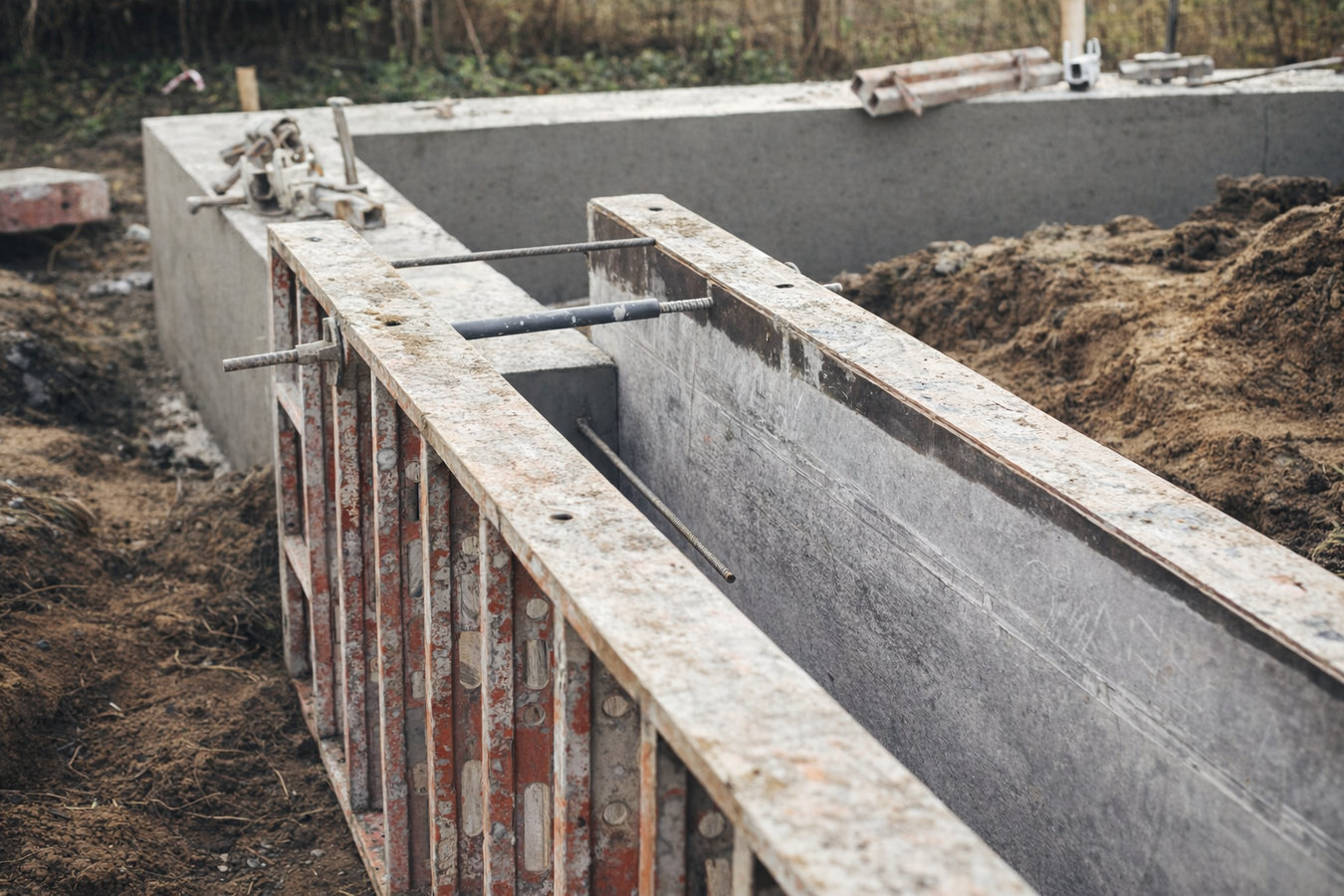
Sunken driveways, uneven patios, and settling garage floors are common in San Luis. We lift them back to level using proven methods that account for desert soil conditions - and give you a straight answer about whether raising is even the right fix.
Foundation raising in San Luis, AZ is the process of lifting a sunken concrete slab back to its original level position by pumping material through small drilled holes to fill the void underneath - most residential jobs are completed in a single visit, often in two to four hours.
If you are living in San Luis, your concrete has been through repeated cycles of soaking monsoon rains and blistering summer heat. That cycle swells and shrinks the soil underneath, which slowly creates gaps that allow slabs to drop. A driveway that tilts toward the house, a porch step that rocks slightly, or a garage floor with a low corner are all signs the ground has shifted. Foundation raising addresses this without tearing everything out - we lift the slab and patch the holes so you get a level surface again. It also pairs well with related work: if your property needs slab foundation building for a new structure, we can assess both the existing slabs and the new area in a single site visit.
Not every slab is a candidate for raising. If the concrete is badly cracked, crumbling, or broken into pieces, replacement may be the better call. We will tell you honestly which one fits your situation.
If one section of your driveway or patio sits noticeably lower than the section next to it, the soil underneath has shifted. In San Luis, this often becomes visible in the fall after monsoon rains have soaked and then dried the ground. You do not need any tools to spot it - if it looks uneven, it probably is.
When a slab settles unevenly, it creates low spots where rainwater collects instead of draining away. In San Luis, monsoon downpours can drop a large amount of water quickly, so pooling near your foundation is a warning sign that deserves attention. Standing water next to your home's base makes the soil problem worse over time.
If a section of concrete floor, garage slab, or porch feels springy or makes a hollow sound when you tap it, there is likely a void forming underneath. The soil has pulled away from the concrete, and the slab is no longer fully supported. Left alone, that unsupported section will eventually crack or drop further.
When a concrete slab shifts, it can put pressure on walls and door frames above it, causing doors and windows to stick or no longer close properly. This is especially common in San Luis homes built on fill soil that was not fully compacted during the fast-growth years of the 2000s and 2010s.
We lift sunken residential slabs throughout San Luis and the surrounding region - driveways, patios, walkways, garage floors, and porch slabs. Every job starts with a site visit to look at the slab from multiple angles, measure how much it has dropped, check whether the concrete is still structurally sound, and evaluate the surrounding drainage. We give you a written estimate before any work is scheduled and explain clearly whether raising is the right call or whether a different approach makes more sense for your slab. For larger foundation projects, foundation raising often connects with concrete cutting when a badly damaged section needs to be removed cleanly before any lifting work begins on the surrounding area.
We use materials and methods suited to the Sonoran Desert environment. That means accounting for the clay and silt soils that swell with monsoon moisture and shrink in the dry heat, and discussing drainage improvements with you when the cause of the settling points to a water management problem on your property. A lift that ignores the soil problem will not hold. We want the result to last.
For settled slabs that have dropped due to soil movement - common after monsoon seasons in San Luis, and fixable without full replacement.
For garage slabs that have developed low spots, creating drainage problems or uneven surfaces that make working on vehicles harder.
For front walkways and porch slabs that have settled unevenly, creating a raised edge or tripping hazard near the entry to your home.
The soil under most properties in San Luis is not stable in the way homeowners in other parts of the country would recognize. The high clay and silt content throughout the Sonoran Desert means the ground literally changes size with the seasons - swelling when the monsoon rains arrive in July and August, then contracting as the heat bakes it dry through the fall. That movement is the most common reason slabs settle here, and it is also why a drainage conversation has to be part of any raising job. Lifting a slab without addressing where water is going just resets the clock on the same problem. San Luis also has a relatively young housing stock, with much of the city built during the rapid growth of the 2000s. Homes built on fill soil that was not fully compacted during construction are now reaching the age where those early shortcuts become visible as settling slabs and sticking doors - and foundation raising is often the right first step to correct it.
We serve homeowners throughout San Luis and nearby communities including Yuma and Somerton. The soil conditions and monsoon timing we deal with here are consistent across the region, and we plan every job with that in mind.
We respond within 1 business day to set up a free on-site visit. We ask a few basic questions - what type of slab is affected, roughly how large the area is, and what symptoms you have noticed. Because San Luis has a smaller pool of local contractors, it is worth scheduling a few weeks ahead, especially before monsoon season.
We walk the area with you, check how much the slab has dropped, and evaluate the concrete condition and surrounding drainage. You receive a written estimate before any work is booked. We will tell you plainly whether raising is the right fix or whether something else makes more sense for your specific slab.
Before the crew arrives, clear vehicles, patio furniture, and planters from the area - typically a 15 to 30 minute task. The crew drills small holes through the slab, pumps material underneath to fill the void, and gently raises the concrete back to level. The lifting itself often takes under an hour for a standard driveway or patio.
Once the slab is level, the crew fills and patches the drill holes and cleans the work area. If foam was used, you can typically walk on the surface within 30 minutes. If a cement-based material was used, foot traffic is fine the same day and driving the next morning. We give you a clear timeline before we leave.
Free on-site estimate. Written quote before any work begins. We respond within 1 business day.
(928) 582-8393A raised slab that settles again in two years is not a solution. In San Luis, the monsoon moisture cycle is the most common cause of slab settling, so every job includes a drainage conversation. We want the result to hold through multiple rainy seasons - not just look level when we leave.
Some slabs are not good candidates for raising. If the concrete is crumbling or fractured into multiple shifting sections, we will tell you that directly - and explain why. We do not push the more expensive option without walking you through the specific reasons. You get a clear explanation, not a sales pitch.
Every job gets a written, itemized quote after the on-site assessment. The price accounts for the size of the area, the material required, and local conditions. Nothing changes between the estimate and the invoice. You know what you are paying before a single hole is drilled.
We hold an active Arizona contractor license, which you can verify for free at the Arizona Registrar of Contractors website before we ever show up. Hiring a licensed contractor gives you a formal path to resolution through the state if anything goes wrong - that protection matters in a smaller market like San Luis where unlicensed operators exist. See verification at roc.az.gov
When you combine a written estimate, honest slab assessment, and drainage guidance with a contractor who understands how San Luis soils and monsoon timing affect concrete, you get results that last - not a quick fix that looks good for one season.
For more information on slab lifting methods, see the Concrete Network guide to slabjacking and the Arizona Geological Survey for background on regional soil conditions.
When a damaged slab section needs to be removed cleanly before surrounding work continues, concrete cutting is the first step.
Learn MoreFor properties that need an entirely new concrete slab poured rather than lifting an existing one.
Learn MoreSpots fill up fast in spring across the San Luis area - call now to lock in your date and go into rainy season with a level, stable slab.